
How Radiators Work: A Beginner’s Guide to Engine Cooling Systems
Posted on January 30, 2026
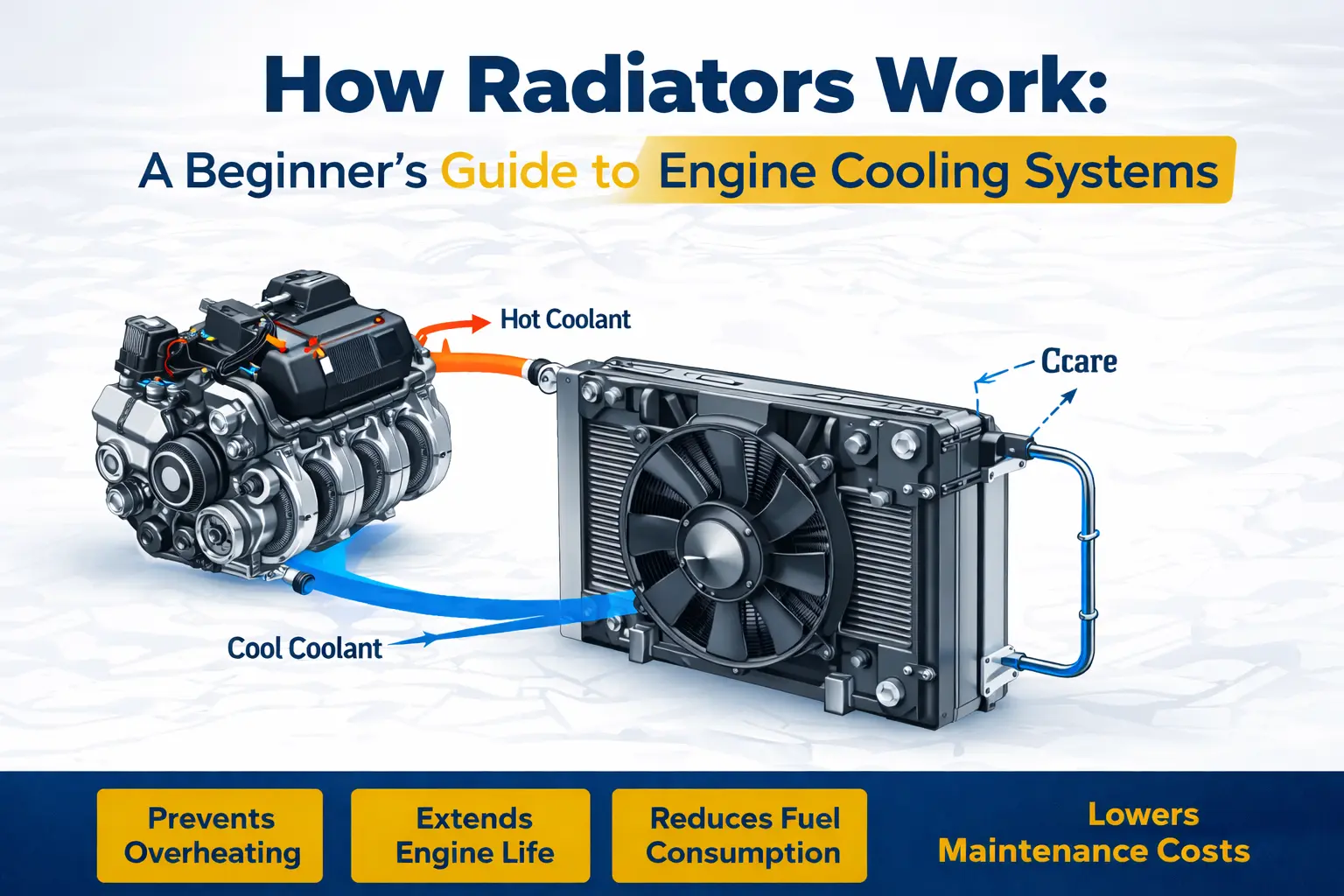
When engines run, they generate extreme heat — sometimes exceeding 200°C. Without an efficient cooling mechanism, this heat can destroy engine components within minutes. That’s where radiators and engine cooling systems step in.
Whether it’s a truck, generator, construction machine, agricultural equipment, or industrial engine, the radiator plays a critical role in maintaining optimal temperature and ensuring long-term performance.
In this guide, we’ll break down how radiators work, why they matter, and how choosing the right radiator manufacturer can significantly improve durability and efficiency.
Why Engine Cooling is So Important
Every internal combustion engine converts fuel into energy. But here’s the catch:
👉 Nearly 30–40% of energy becomes heat.
If this heat is not controlled:
- Engine parts expand
- Lubrication fails
- Components wear faster
- The risk of a complete engine breakdown increases
An efficient cooling system prevents these issues by keeping the engine within its ideal temperature range.
What is a Radiator?
A radiator is a heat exchanger that removes excess heat from the engine coolant and releases it into the air.
It is one of the most important parts of any engine cooling system used in:
- Commercial vehicles
- Heavy-duty equipment
- Mining machinery
- Generators (gensets)
- Agricultural machines
- Industrial engines
Simply put, no radiator = no engine survival.
Main Components of a Radiator
Understanding the parts helps you understand how the whole system works.
1. Core
The heart of the radiator is where heat exchange occurs. It includes:
- Tubes
- Fins
- Cooling passages
2. Tanks
Hold coolant before and after circulation.
3. Fins
Thin metal sheets that increase surface area for better heat dissipation.
4. Coolant
A liquid mixture that absorbs heat from the engine.
5. Fan
Pulls air through the radiator to enhance cooling.
Step-by-Step: How a Radiator Works
Let’s simplify the process:
Step 1: Coolant Absorbs Heat
Coolant circulates through the engine and absorbs excess heat.
Step 2: Hot Coolant Enters Radiator
The heated coolant flows into the radiator through the inlet tank.
Step 3: Heat Exchange Happens
- Coolant moves through thin tubes
- Fins increase contact with the air
- Heat transfers from liquid to air
Step 4: Fan Removes Heat
Airflow from the fan carries heat away.
Step 5: Cooled Liquid Returns
The cooled coolant goes back to the engine.
The cycle repeats continuously.
Types of Radiators Used in Industry
Different applications require different radiator designs.
Aluminium Radiators
- Lightweight
- High thermal efficiency
- Modern and compact
Copper-Brass Radiators
- Superior heat conductivity
- Strong and repairable
- Ideal for heavy-duty equipment
Bar & Plate Radiators
- Extremely durable
- Used for harsh environments like mining or construction
A professional heat exchanger manufacturer like NBR Cooling Systems offers all these variants to suit different industrial needs.
Where Radiators Are Commonly Used
Radiators are not just for cars. They are widely used in:
- Diesel generators
- Earthmoving equipment
- Tractors & harvesters
- Trucks & buses
- Oil & gas machinery
- Industrial compressors
Each application demands custom cooling capacity, making specialized manufacturers essential.
Benefits of a High-Quality Radiator
Choosing the right radiator provides:
- Better engine life
- Reduced fuel consumption
- Lower maintenance costs
- Stable performance under load
- Less downtime
Cheap or poorly designed radiators often cause:
- Frequent overheating
- Leakage
- Corrosion
- Core damage
This leads to expensive repairs.
Common Signs Your Radiator Needs Attention
Watch out for:
- Engine overheating
- Coolant leakage
- Rust deposits
- Low coolant levels
- Reduced performance
Ignoring these signs can lead to engine failure.
How to Choose the Right Radiator Manufacturer
For industrial or OEM use, consider:
- Manufacturing technology (vacuum brazing, advanced cores)
- Material quality
- Custom design capability
- Testing standards
- Industry certifications
- Aftermarket support
Reliable companies like NBR Cooling Systems design heavy-duty radiators and cooling systems for demanding applications.
Final Thoughts
Radiators may look simple, but they are the backbone of engine reliability.
A well-designed radiator:
- Protects your investment
- Reduces breakdowns
- Improves productivity
- Saves operational costs
If you operate heavy machinery or industrial engines, investing in a trusted cooling system manufacturer isn’t optional — it’s essential.