
Why Is My Heat Exchanger Losing Efficiency? 7 Common Causes and How to Fix Them
Posted on July 28, 2026
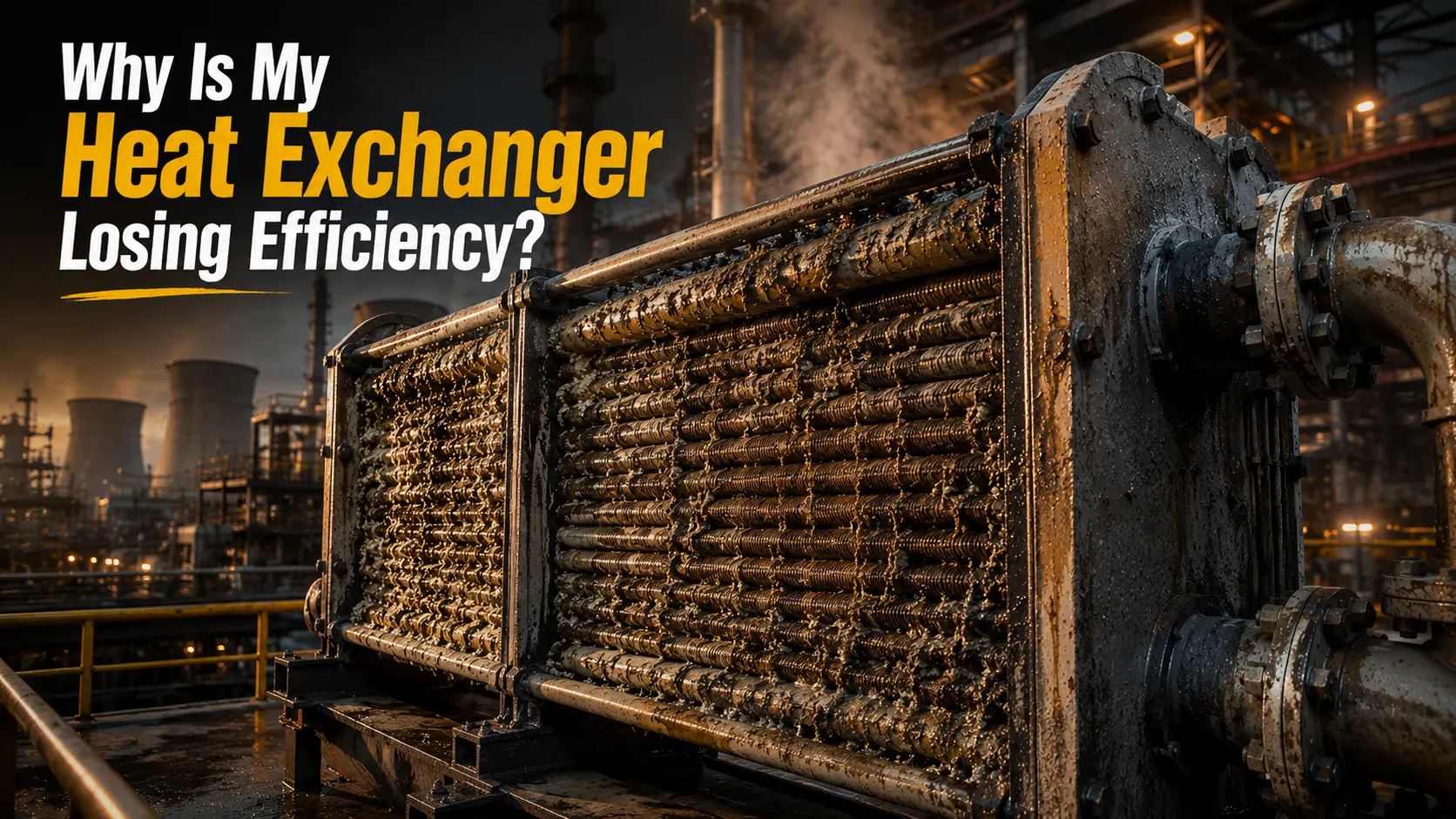
A heat exchanger is designed to transfer heat quickly and efficiently, keeping industrial processes, HVAC systems, refrigeration units, and manufacturing equipment running at peak performance. However, even the most reliable heat exchangers gradually lose efficiency if they aren’t maintained properly.
The problem often starts subtly. You may notice longer cooling times, higher electricity bills, reduced production output, or frequent equipment shutdowns. Left unresolved, these issues can significantly increase operating costs and even shorten the lifespan of your entire system.
According to industry studies, fouling alone can reduce heat exchanger performance by 15–30%, while severe scaling may cut efficiency by over 40%. Understanding the root causes allows businesses to prevent expensive downtime and maintain consistent performance.
Let’s look at the seven most common reasons your heat exchanger may be losing efficiency and what you can do to restore its performance.
1. Fouling and Dirt Build-Up
Fouling is one of the biggest reasons heat exchangers lose efficiency. Over time, dust, oil, grease, rust particles, biological growth, and process contaminants accumulate on the heat transfer surfaces.
Even a thin fouling layer creates an insulating barrier between the hot and cold fluids, reducing the exchanger’s ability to transfer heat.
Warning Signs
- Higher operating temperatures
- Reduced cooling performance
- Increased energy consumption
- Higher pressure drop
How to Fix It
Schedule routine cleaning based on operating conditions. Depending on the application, cleaning methods may include:
- Chemical cleaning
- High-pressure water jetting
- Mechanical brushing
- CIP (Clean-in-Place) systems
Preventive cleaning can often restore much of the original heat transfer performance before serious damage occurs.
2. Scale Formation Inside the Tubes
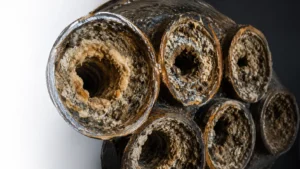
Facilities using untreated or hard water commonly experience mineral deposits inside heat exchanger tubes. Calcium carbonate, magnesium, and silica gradually reduce the internal flow area.
Research shows that just 1 mm of mineral scale can reduce heat transfer efficiency by up to 10–15%, while simultaneously increasing pumping power requirements.
How to Fix It
Install proper water treatment systems, including:
- Water softeners
- Reverse osmosis systems
- Anti-scaling chemicals
- Regular descaling maintenance
Maintaining good water quality significantly extends equipment life.
3. Blocked or Restricted Fluid Flow
Heat exchangers rely on continuous fluid movement. When passages become partially blocked by debris, corrosion products, or sludge, flow decreases, resulting in poor heat transfer.
Reduced flow also creates uneven temperature distribution, causing certain sections of the exchanger to work harder than others.
Common Causes
- Dirt accumulation
- Pipe blockages
- Clogged strainers
- Sediment build-up
Solution
Inspect piping systems regularly and clean filters and strainers before they restrict flow.
4. Corrosion and Material Damage
Corrosion gradually weakens metal surfaces and reduces thermal conductivity. In severe cases, it causes leaks that allow two fluids to mix, affecting both performance and product quality.
Common corrosion types include:
- Galvanic corrosion
- Pitting corrosion
- Crevice corrosion
- General oxidation
Facilities operating in chemical plants or coastal environments are particularly vulnerable.
Prevention
- Use corrosion-resistant materials
- Maintain proper fluid chemistry
- Monitor pH levels
- Replace damaged components early
5. Air Trapped Inside the System
Air pockets reduce the effective heat transfer area by preventing fluids from making full contact with exchanger surfaces.
This problem is particularly common after maintenance, startup, or improper filling procedures.
Symptoms
- Uneven temperatures
- Noise inside the system
- Poor cooling performance
- Fluctuating pressure
Solution
Install automatic air vents and bleed trapped air whenever the system is restarted.
6. Incorrect Operating Conditions
Every heat exchanger is designed for a specific range of:
- Flow rate
- Pressure
- Temperature
- Fluid properties
Operating outside these limits reduces efficiency and accelerates wear.
For example:
- Excessively low flow reduces turbulence.
- Extremely high flow increases erosion.
- Incorrect temperatures reduce thermal performance.
Best Practice
Monitor operating conditions continuously and compare them with manufacturer recommendations.
7. Aging Equipment and Worn Components
Even well-maintained heat exchangers eventually experience reduced efficiency due to natural wear.
Common aging issues include:
- Deformed fins
- Damaged gaskets
- Tube erosion
- Metal fatigue
- Internal leaks
Older equipment often consumes considerably more energy than newer, optimized designs.
When Should You Replace It?
If maintenance costs continue rising while performance keeps falling, replacement is often more economical than repeated repairs.
Modern units are designed for:
- Higher thermal efficiency
- Lower refrigerant or fluid volume
- Reduced energy consumption
- Easier maintenance
- Longer operating life
Working with an experienced Heat exchanger manufacturer in India can help identify the most suitable replacement solution based on your operating requirements.
Preventive Maintenance Tips
Preventive maintenance is always less expensive than emergency repairs.
Create a maintenance schedule that includes:
- Inspect heat transfer surfaces every 3–6 months.
- Monitor inlet and outlet temperatures.
- Record pressure drops across the exchanger.
- Check for leaks and corrosion.
- Clean filters and strainers regularly.
- Test water quality where applicable.
- Inspect seals and gaskets during shutdowns.
These simple inspections can significantly reduce unexpected downtime while extending equipment life.
Choosing the Right Heat Exchanger Matters
Efficiency doesn’t depend solely on maintenance—it also begins with selecting the right equipment.
Modern designs, particularly Plate & Bar manufacturer in India solutions, offer compact construction, excellent thermal performance, reduced weight, and improved durability for demanding industrial applications. Choosing equipment that matches your process conditions helps maximize efficiency while lowering long-term operating costs.
Final Thoughts
Heat exchanger efficiency rarely declines overnight. Most performance losses develop gradually through fouling, scaling, corrosion, restricted flow, or normal equipment aging. Identifying these issues early can prevent costly shutdowns, reduce energy consumption, and extend the life of your entire cooling system.
Regular inspections, proper water treatment, and scheduled maintenance are the most effective ways to keep your heat exchanger operating at peak efficiency. When repairs are no longer cost-effective, upgrading to a modern, high-performance unit can provide significant long-term savings while improving overall system reliability.
FAQ’s
How do I know if my heat exchanger is losing efficiency?
Common signs include reduced cooling performance, higher energy consumption, increased pressure drop, longer process times, unusual temperature differences, and rising maintenance costs.
How often should a heat exchanger be cleaned?
Most industrial facilities inspect heat exchangers every 3–6 months, although dusty, chemical, or heavy-duty environments may require more frequent cleaning.
Does fouling really affect energy consumption?
Yes. Industry research shows fouling can reduce heat transfer efficiency by 15–30%, forcing pumps, compressors, and cooling systems to consume more energy.
Can scaling permanently damage a heat exchanger?
If left untreated, heavy scale deposits can cause overheating, corrosion, tube damage, and reduced equipment lifespan. Early descaling helps prevent permanent damage.
When should I replace my heat exchanger instead of repairing it?
If efficiency continues to decline despite repeated maintenance, repair costs become frequent, or the equipment has reached the end of its service life, replacement is often the more economical long-term solution.