
Why Lightweight Aluminium Radiators Are Ideal for Modern Vehicles?
Posted on March 12, 2026
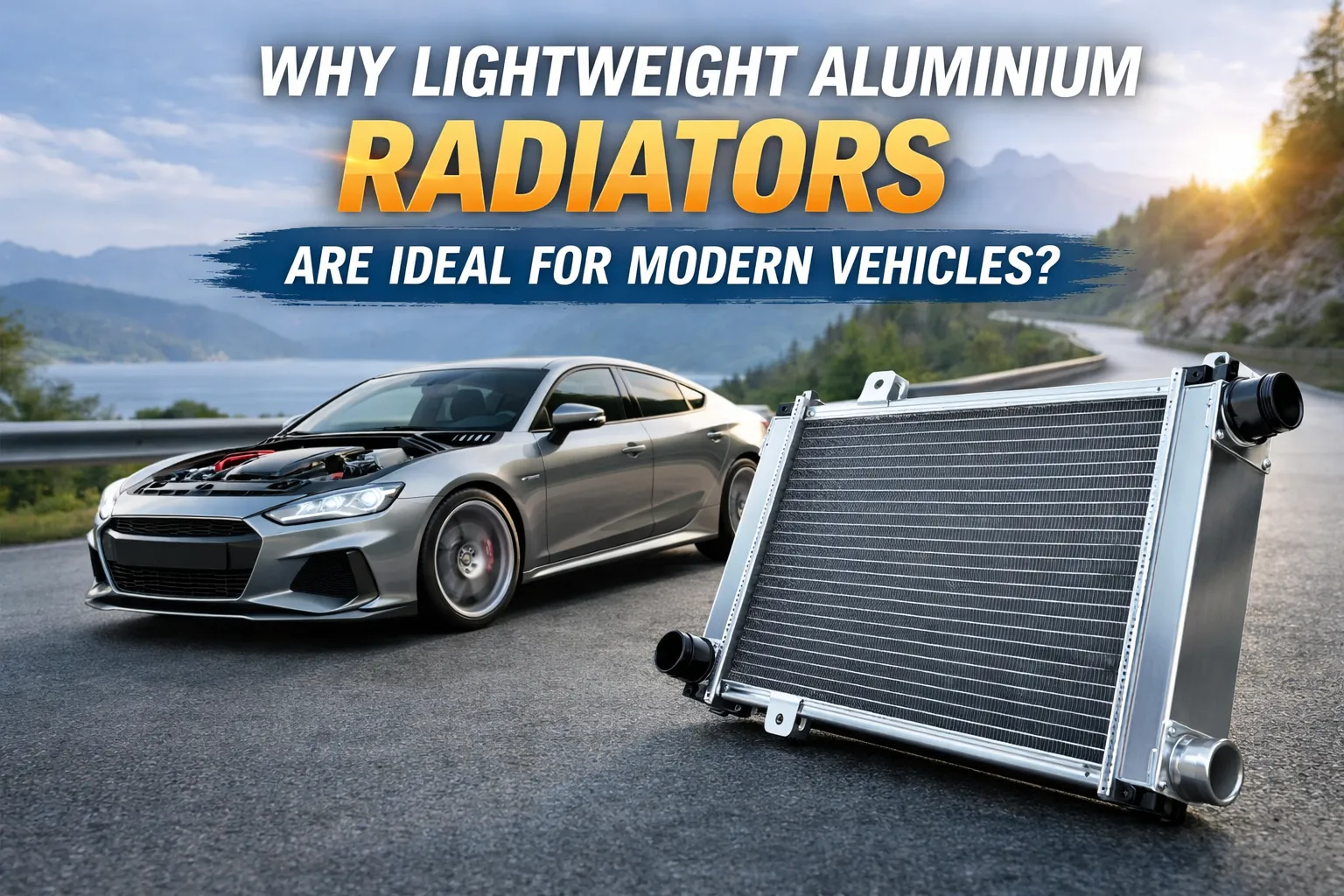
In today’s fast-evolving automotive landscape, efficiency, performance, and sustainability are no longer optional—they are essential. As vehicles become smarter, lighter, and more fuel-efficient, every component plays a critical role in achieving optimal performance. One such component that has undergone a significant transformation is the radiator.
Among the various options available, lightweight aluminium radiators have emerged as the preferred choice for modern vehicles, from passenger cars to electric vehicles (EVs) and heavy-duty machinery. But what makes aluminium radiators so special?
Let’s explore in detail why lightweight aluminium radiators are dominating the automotive and industrial cooling market.
Understanding the Role of Radiators in Modern Vehicles
Before diving into aluminium-specific benefits, it’s important to understand the radiator’s role.
A radiator is a crucial part of a vehicle’s cooling system. It helps:
- Dissipate heat from the engine
- Maintain optimal operating temperature
- Prevent overheating and engine damage
- Improve overall engine efficiency
With modern engines producing higher power in compact designs, the demand for efficient and reliable cooling systems has increased significantly.
What Makes Aluminium Radiators Different?
Traditional radiators were primarily made of copper and brass. While they offered good thermal conductivity, they came with limitations such as higher weight, corrosion issues, and increased cost.
Aluminium radiators, on the other hand, provide a perfect balance of performance, durability, and cost-efficiency.
1. Lightweight Design Enhances Vehicle Efficiency
One of the biggest advantages of aluminium radiators is their lightweight nature.
Why Weight Matters:
- Reduces overall vehicle weight
- Improves fuel efficiency
- Enhances acceleration and performance
- Lowers emissions
In modern automotive engineering, reducing weight is a top priority. Even a small reduction can significantly impact fuel consumption and efficiency.
This is especially crucial for:
- Electric Vehicles (EVs)
- High-performance cars
- Commercial fleets
2. Superior Heat Dissipation Performance
Aluminium is known for its excellent heat transfer properties when designed correctly.
Key Benefits:
- Faster heat dissipation
- Better cooling efficiency
- Consistent engine performance
Modern aluminium radiators often use advanced designs like:
- Bar and plate construction
- Tube and fin technology
These designs maximize surface area, ensuring efficient cooling even under extreme conditions.
3. Corrosion Resistance and Durability
Aluminium naturally forms a protective oxide layer, making it highly resistant to corrosion.
Why This Matters:
- Longer lifespan
- Reduced maintenance costs
- Better performance in harsh environments
This makes aluminium radiators ideal for:
- Off-road vehicles
- Construction equipment
- Industrial machinery
4. Ideal for Electric and Hybrid Vehicles
With the rapid growth of EVs, cooling systems are evolving rapidly.
Why Aluminium is Perfect for EVs:
- Lightweight improves battery efficiency
- Supports compact cooling system designs
- Handles thermal management of batteries and electronics
Aluminium radiators play a crucial role in:
- Battery cooling systems
- Power electronics cooling
- Thermal management modules
5. Cost-Effective Manufacturing
Compared to copper-brass radiators, aluminium radiators are more economical to produce at scale.
Advantages:
- Lower production costs
- Easier manufacturing processes
- High availability of raw materials
For OEMs and manufacturers, this translates into:
- Competitive pricing
- Better scalability
- Increased profit margins
6. Eco-Friendly and Sustainable Material
Sustainability is a major focus in the automotive industry, and aluminium aligns perfectly with this goal.
Environmental Benefits:
- 100% recyclable
- Lower carbon footprint
- Energy-efficient production (when recycled)
Using aluminium radiators helps manufacturers meet:
- Environmental regulations
- Sustainability targets
7. Flexibility in Design and Customization
Aluminium allows greater flexibility in radiator design.
Customization Benefits:
- Compact and space-saving designs
- Adaptable to different vehicle types
- Suitable for complex cooling systems
This is particularly beneficial for:
- OEM applications
- Custom vehicles
- Industrial equipment
8. High Strength-to-Weight Ratio
Aluminium offers excellent strength while remaining lightweight.
Why This is Important:
- Withstands high pressure and temperature
- Maintains structural integrity
- Ensures long-term reliability
This makes aluminium radiators suitable for:
- Heavy-duty vehicles
- Mining and construction equipment
- High-performance engines
9. Improved Fuel Economy and Reduced Emissions
Reducing vehicle weight directly impacts fuel consumption.
Key Impact:
- Better mileage
- Lower fuel costs
- Reduced greenhouse gas emissions
This aligns with global automotive trends focused on:
- Fuel efficiency standards
- Emission reduction norms
10. Low Maintenance Requirements
Aluminium radiators require less maintenance compared to traditional options.
Reasons:
- Corrosion resistance
- Fewer leak issues
- Durable construction
This leads to:
- Reduced downtime
- Lower service costs
- Increased operational efficiency
Applications of Aluminium Radiators in Modern Vehicles
Aluminium radiators are widely used across various sectors:
- Passenger vehicles
- Commercial trucks and buses
- Electric and hybrid vehicles
- Construction equipment
- Agricultural machinery
- Industrial cooling systems
Their versatility makes them a universal cooling solution.
Future Trends: Aluminium Radiators in Next-Gen Vehicles
The future of automotive cooling is closely tied to aluminium technology.
Emerging Trends:
- Integration with smart cooling systems
- Advanced thermal management for EVs
- Lightweighting for autonomous vehicles
- Improved manufacturing technologies
As vehicles become more advanced, aluminium radiators will continue to evolve and dominate the market.
Conclusion
Lightweight aluminium radiators are no longer just an alternative—they are the industry standard for modern vehicles. Their combination of efficiency, durability, cost-effectiveness, and sustainability makes them an ideal choice for today’s automotive and industrial applications.
From improving fuel efficiency to supporting advanced EV cooling systems, aluminium radiators are playing a crucial role in shaping the future of mobility.
If you’re looking for a reliable, high-performance cooling solution, aluminium radiators are undoubtedly the best investment for modern vehicles.
FAQs
1. Why are aluminium radiators better than copper radiators?
Aluminium radiators are lighter, more corrosion-resistant, and cost-effective, making them ideal for modern applications.
2. Are aluminium radiators suitable for heavy-duty vehicles?
Yes, they offer high strength and excellent heat dissipation, making them perfect for heavy-duty and industrial use.
3. Do aluminium radiators improve fuel efficiency?
Yes, their lightweight design reduces vehicle weight, leading to better fuel efficiency.
4. Can aluminium radiators be used in electric vehicles?
Absolutely. They are widely used in EV battery cooling and thermal management systems.
5. How long do aluminium radiators last?
With proper maintenance, aluminium radiators can last for many years due to their corrosion resistance and durability.