
Choosing the Right Cooling System for Your Generator (Genset)
Posted on January 30, 2026
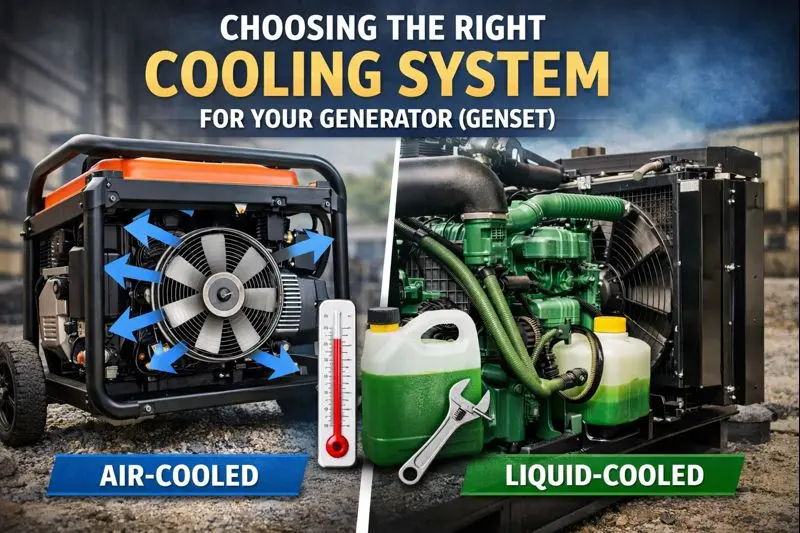
A generator (genset) is only as reliable as its cooling system. Whether you are using a generator for industrial operations, commercial buildings, hospitals, or residential backup power, choosing the right cooling system is critical for performance, efficiency, and long-term durability.
In this guide, we’ll break down how generator cooling systems work, the types of cooling systems available, and how to choose the right one based on your power needs, environment, and budget.
Why a Cooling System Is Crucial for a Generator
Generators produce large amounts of heat during operation. Without an effective cooling system, excess heat can cause:
- Reduced engine efficiency
- Frequent breakdowns
- Higher fuel consumption
- Shortened engine lifespan
- Unexpected shutdowns during critical power needs
A well-designed genset cooling system maintains optimal operating temperature, ensuring reliable power output and extended engine life.
How Generator Cooling Systems Work
The primary function of a generator cooling system is to remove excess heat generated by the engine during combustion and electrical load handling.
Cooling systems work by:
- Absorbing heat from the engine
- Transferring it away through a cooling medium (air or liquid)
- Releasing it safely into the surrounding environment
The method used depends on generator size, application, and operating conditions.
Types of Generator Cooling Systems
1. Air-Cooled Generator Cooling System
Air-cooled generators rely on ambient air to dissipate heat. Fans circulate air around the engine to cool its components.
Best for:
- Small generators
- Portable gensets
- Residential and light commercial use
Advantages:
- Simple design
- Low maintenance
- Cost-effective
- No coolant required
Limitations:
- Less efficient in high-temperature environments
- Not suitable for continuous heavy loads
- Liquid-Cooled Generator Cooling System
Liquid-cooled generators use a coolant (water or coolant mixture) that circulates through the engine and radiator to remove heat.
Best for:
- Medium to large generators
- Industrial and commercial applications
- Continuous or heavy-load operations
Advantages:
- Superior cooling efficiency
- Stable performance in hot climates
- Lower noise levels
- Longer engine life
Limitations:
- Higher initial cost
- Requires regular coolant maintenance
- Radiator-Based Cooling System
This is the most common form of liquid cooling. Heat is transferred from the coolant to a radiator, where it dissipates through airflow.
Key features:
- High thermal efficiency
- Reliable for standby and prime power gensets
- Suitable for indoor and outdoor installations
- Heat Exchanger Cooling System
Used mainly for marine and specialized industrial generators, this system transfers heat using an external water source (such as seawater).
Best for:
- Marine gensets
- Remote industrial applications
Factors to Consider When Choosing the Right Genset Cooling System
1. Generator Size & Power Rating
- Small generators (up to 10–15 kVA): Air-cooled systems work well
- Medium to large generators (above 20 kVA): Liquid-cooled systems are recommended
- Operating Environment
- Hot or dusty locations require liquid cooling
- Indoor installations need efficient heat dissipation
- Outdoor gensets must handle temperature fluctuations
- Load & Runtime
- Occasional backup power → Air-cooled
- Continuous or prime power usage → Liquid-cooled
- Noise Level Requirements
Liquid-cooled generators typically operate quieter, making them ideal for hospitals, offices, and residential areas.
- Maintenance & Cost
- Air-cooled: Lower upfront and maintenance cost
- Liquid-cooled: Higher cost but better reliability and longevity
Common Cooling System Problems (and How to Avoid Them)
- Overheating: Caused by blocked airflow or low coolant
- Coolant leakage: Regular inspection prevents failures
- Radiator clogging: Clean periodically in dusty environments
- Fan failure: Prevent with routine servicing
Scheduled maintenance and proper installation can prevent most cooling-related failures.
Air-Cooled vs Liquid-Cooled Gensets: Quick Comparison
| Feature | Air-Cooled | Liquid-Cooled |
| Cost | Lower | Higher |
| Cooling Efficiency | Moderate | High |
| Noise Level | Higher | Lower |
| Load Handling | Light | Heavy |
| Ideal Use | Home & portable | Industrial & commercial |
Best Practices for Optimal Generator Cooling Performance
- Ensure proper ventilation around the generator
- Follow manufacturer-recommended coolant levels
- Avoid overloading the genset
- Schedule periodic servicing
- Use high-quality coolant and components
Final Thoughts
Choosing the right cooling system for your generator (genset) is not just about cost—it’s about performance, reliability, and long-term value. While air-cooled systems are ideal for smaller applications, liquid-cooled systems provide superior efficiency and durability for demanding environments.
Investing in the right cooling solution ensures your generator delivers uninterrupted power when you need it most.